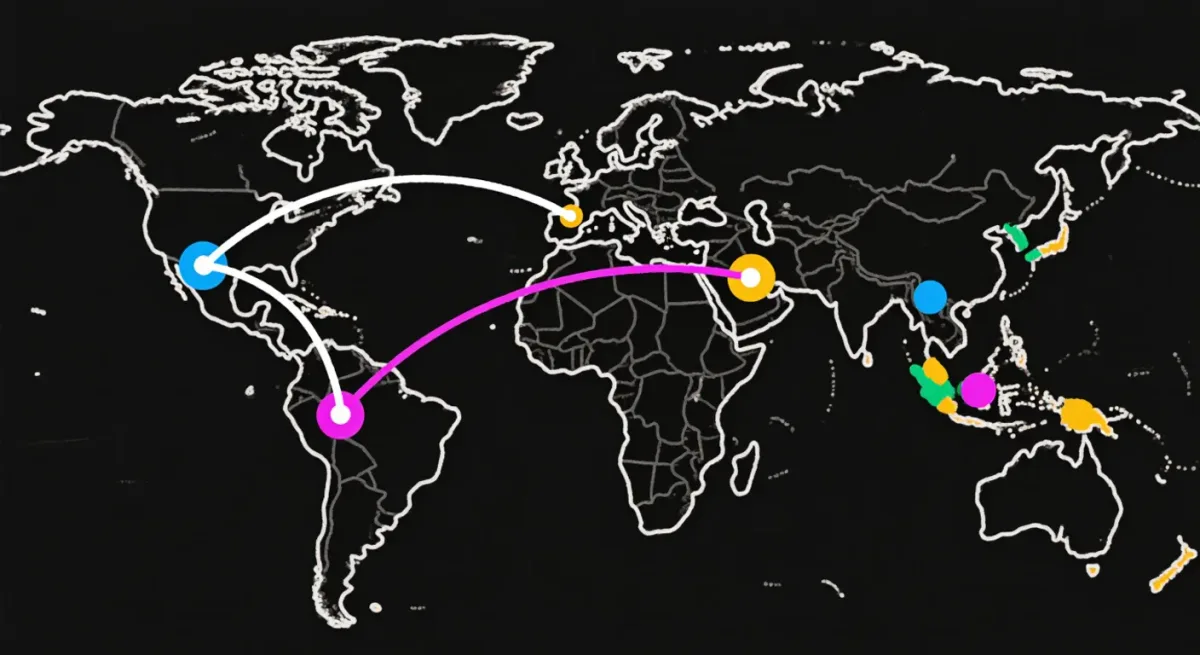
What is the Pacific Alliance, and does it still matter?
Four countries, 230 million people and a third of Latin America's GDP in a trade bloc built on integration-by-doing. Its status, its wins and its drift, explained.
Colombia, Chile, Peru and Ecuador — lithium, coffee, cities and culture.
Four countries, 230 million people and a third of Latin America's GDP in a trade bloc built on integration-by-doing. Its status, its wins and its drift, explained.

Bolivia's 10,000-square-kilometer salt flat is simultaneously a lithium vault and a tourism phenomenon. Both claim the same horizon, and only one is currently paying.

Ecuador abandoned its currency in 2000 after a banking collapse. A quarter-century on, dollarization is the country's most popular policy and its least flexible constraint.
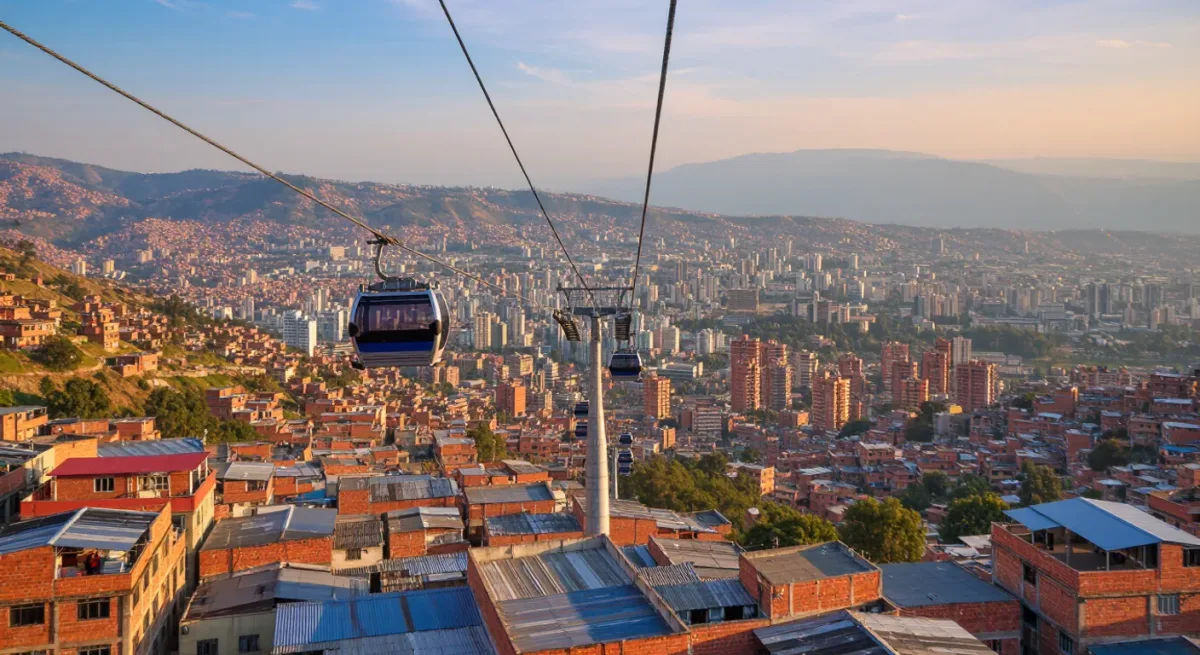
In 1991 the city recorded one of the highest murder rates ever documented. Its rebuilding — transit, libraries, a tech district — became urbanism's most cited case study. What the numbers say now.
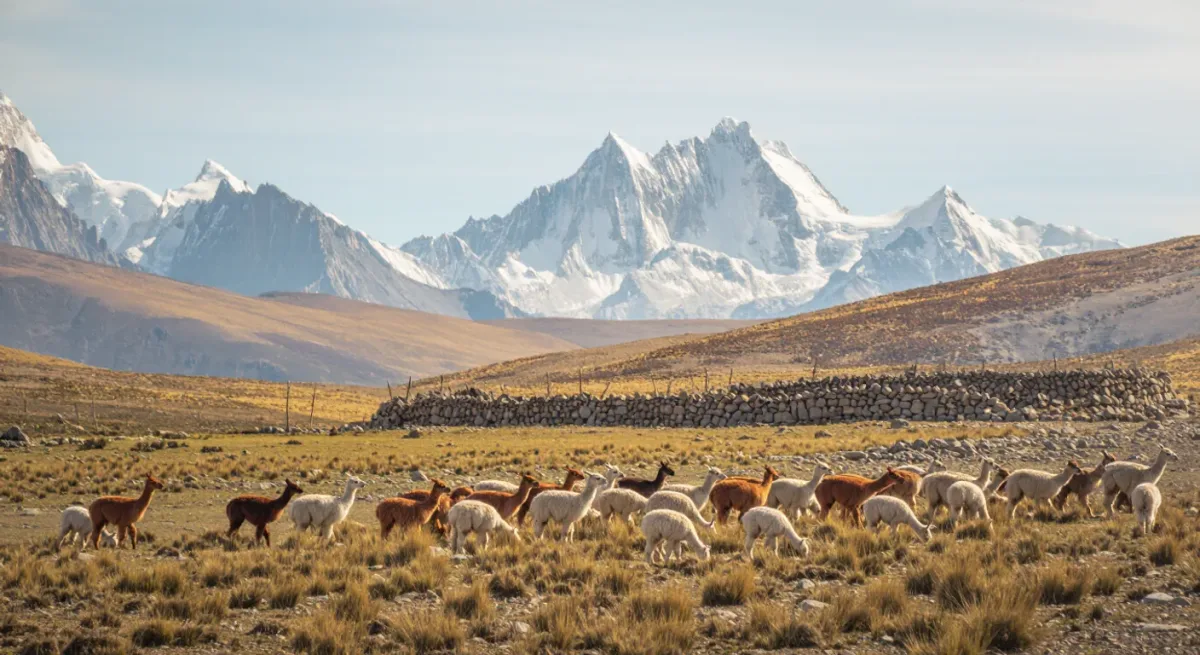
Peru holds most of the world's alpacas, but most raw fiber leaves cheap and returns expensive. Inside the value chain herders, mills and luxury brands are fighting over.

Carménère survived phylloxera in Chilean soil unrecognized for 150 years. One ampelographer's visit turned a viticultural mistake into a national signature worth millions.