The tasting counter at Maido in Lima runs about fifteen seats, and the menu that Mitsuharu Tsumura — Micha to everyone in the kitchen — serves across them is nikkei: the Japanese-Peruvian cuisine his grandparents' generation improvised with coastal ingredients. In June 2025, the World's 50 Best Restaurants ranking named Maido the finest restaurant on earth, making it the second Lima house to hold the title after Virgilio Martínez and Pía León's Central won in 2023. No other city has produced back-to-back number ones. That is not luck; it is the visible layer of a deliberately built national project (The World's 50 Best Restaurants, 2023 and 2025 rankings).
The biodiversity back office
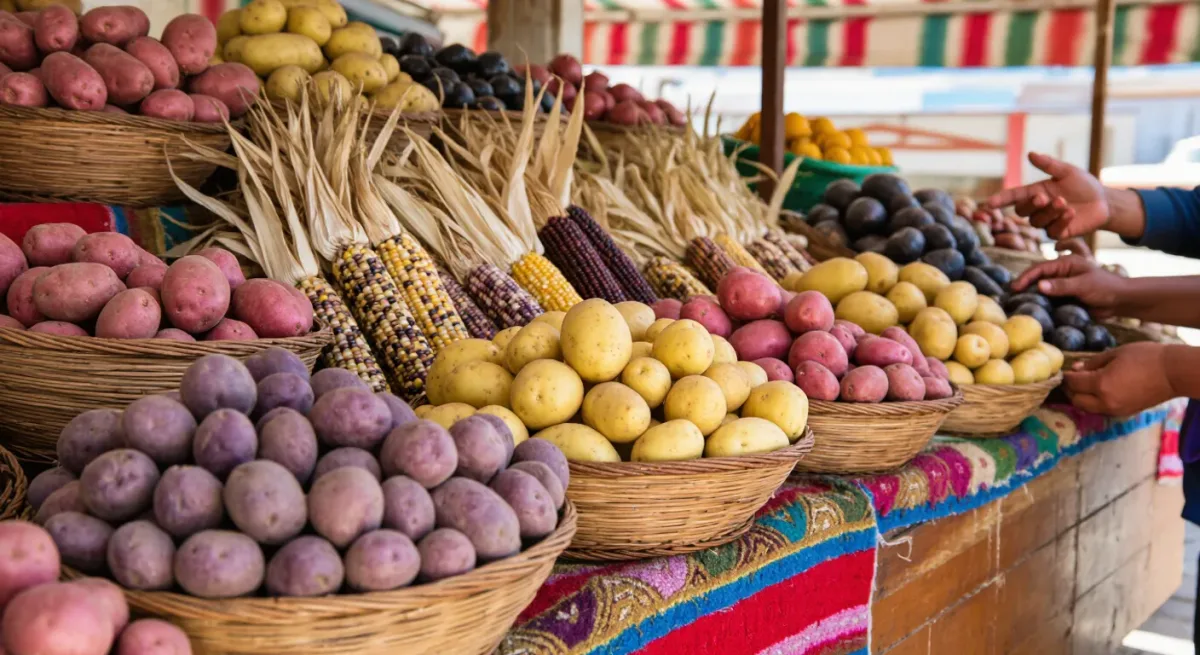
Peru's culinary ascent is anchored in an inventory few countries can match: thousands of native potato varieties, dozens of native chili and corn types, two distinct coasts, Andean altitude bands from 2,000 to 4,000 meters, and an Amazon that supplies fish, fruit and aromatics unknown to international kitchens. Central turned that inventory into its famous altitude menu, course by course up the mountain. The supply chains this required — fishers landing specific species, farmers growing native crops at commercial standards — did not exist two decades ago; Lima's top kitchens effectively financed their creation by paying premium prices for ingredients no one else was buying.
How the state got a seat at the table
Most food revolutions are private; Peru's was co-sponsored. The Commission for the Promotion of Peru, PromPerú, has spent two decades marketing the country explicitly through its kitchen — tourism campaigns built around ceviche and pisco, chef delegations sent abroad, gastronomy festivals supported at home. The bet paid: culinary tourism became a stated primary motivation for a large share of international visitors, and Lima's restaurant reservations now shape flight itineraries the way museums shape Paris's. In late 2024, UNESCO inscribed the culture of Peru's cevicherías — the counters where the national dish is served — on its intangible cultural heritage list, the diplomatic version of a star (PromPerú; UNESCO).
What the ranking is worth
The 50 Best list has critics, but its economics are real. A number-one placement converts directly into reservation demand measured in months of waiting lists, international media value no tourism board could buy, and a halo that lifts the entire city's dining tier — Maido's title does quiet work for the reservation books of Kjolle, Mayta and every serious new opening in Miraflores and Barranco. The awards also move careers: Peruvian chefs now run kitchens from London to Dubai, and nikkei and ceviche have become global menu categories rather than explanations.
| Milestone | Year | Significance |
|---|---|---|
| Central named world's best | 2023 | First South American restaurant to hold the title |
| Maido named world's best | 2025 | Lima's second champion in three years |
| Cevichería culture inscribed by UNESCO | 2024 | Intangible heritage recognition for the daily institution |
The tensions under the table
The boom's costs are visible too. Fine dining's supply chains pay some farmers well while the domestic price of staples stays volatile; the celebrated kitchens employ graduates of a growing culinary-school industry whose entry wages do not match the glamour; and the 'discovery' narrative can eclipse the communities whose ingredients and techniques are being celebrated. Peruvian food media debates these questions openly — a sign, arguably, of a food culture confident enough to audit itself.
Why it endures
Gastronomy rankings churn; Peru's advantage does not. The biodiversity is permanent, the migration histories — Japanese, Chinese, Italian, African — are deep, and the institutional machinery, from PromPerú to the Culinary Association founded in 2007 by the country's leading chefs, treats the kitchen as strategic infrastructure. The realistic base case is not perpetual number ones; it is a Lima that stays on every serious eater's short list, and a national brand in which the ceviche counter and the fifteen-seat tasting room both carry the flag.
From kitchen to curriculum
The industry built its own talent pipeline. Lima's culinary schools — from university-level gastronomy degrees to the international branch campuses that made the city a cooking-school destination — graduate thousands of students a year into an economy of restaurants, hotels, cruise lines and the diaspora's kitchens abroad. The schools market the same asset the restaurants do: Peru as the place one goes to learn a cuisine the world wants, a positioning that turned cooking from a trade into a professional career track and made the gastronomy boom self-replenishing. Enrollment economics track the boom cycle closely enough that school administrators read restaurant openings the way mining towns read drill results.
The same institutional depth shows in the supply chains. The pisco denomination, the cacao and coffee competitions that pay premiums for quality lots, the native-potato registries connecting Andean communities to high-end kitchens — each is infrastructure that converts biodiversity into income through gastronomy's demand. Chefs co-founded producer programs that guarantee farmers prices for ingredients no supermarket would stock, and the tourism board routes itineraries through them. The machine's most underappreciated feature is that it runs on private incentives with public scaffolding: PromPerú's campaigns, the Culinary Association's standard-setting and the schools' pipelines all point the same direction, which is why the sector has outlasted several governments' worth of attention spans.
The kitchen's deepest export may be its template: biodiversity plus migration plus institutional promotion, a recipe other Latin American food cultures are now copying chapter by chapter.
For how Peru's other global attraction manages its own crowds, read our guide to Machu Picchu's ticket system, and find more high-altitude reporting in the Andes section.